How to Choose the Best Drunken Noodles Near Me for Delivery
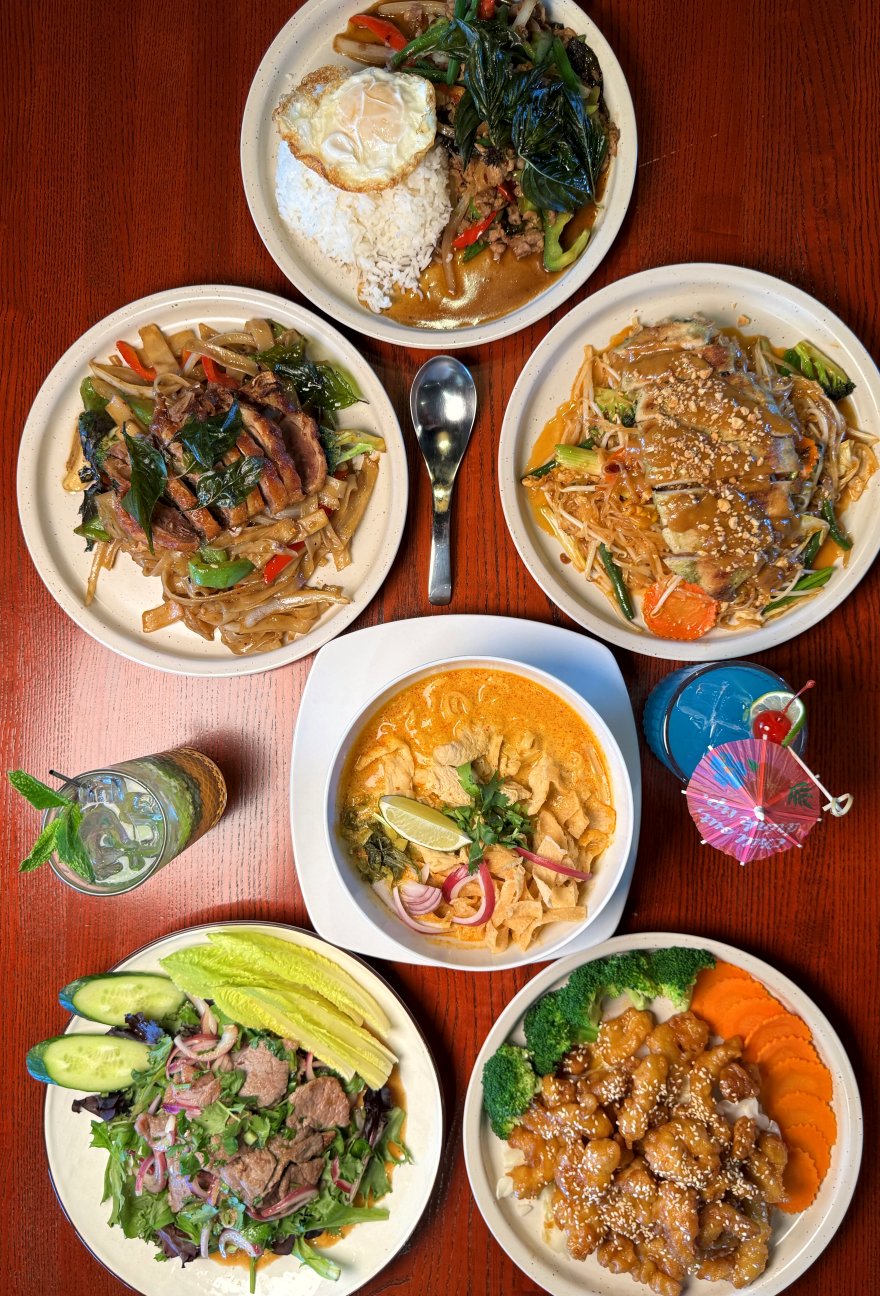
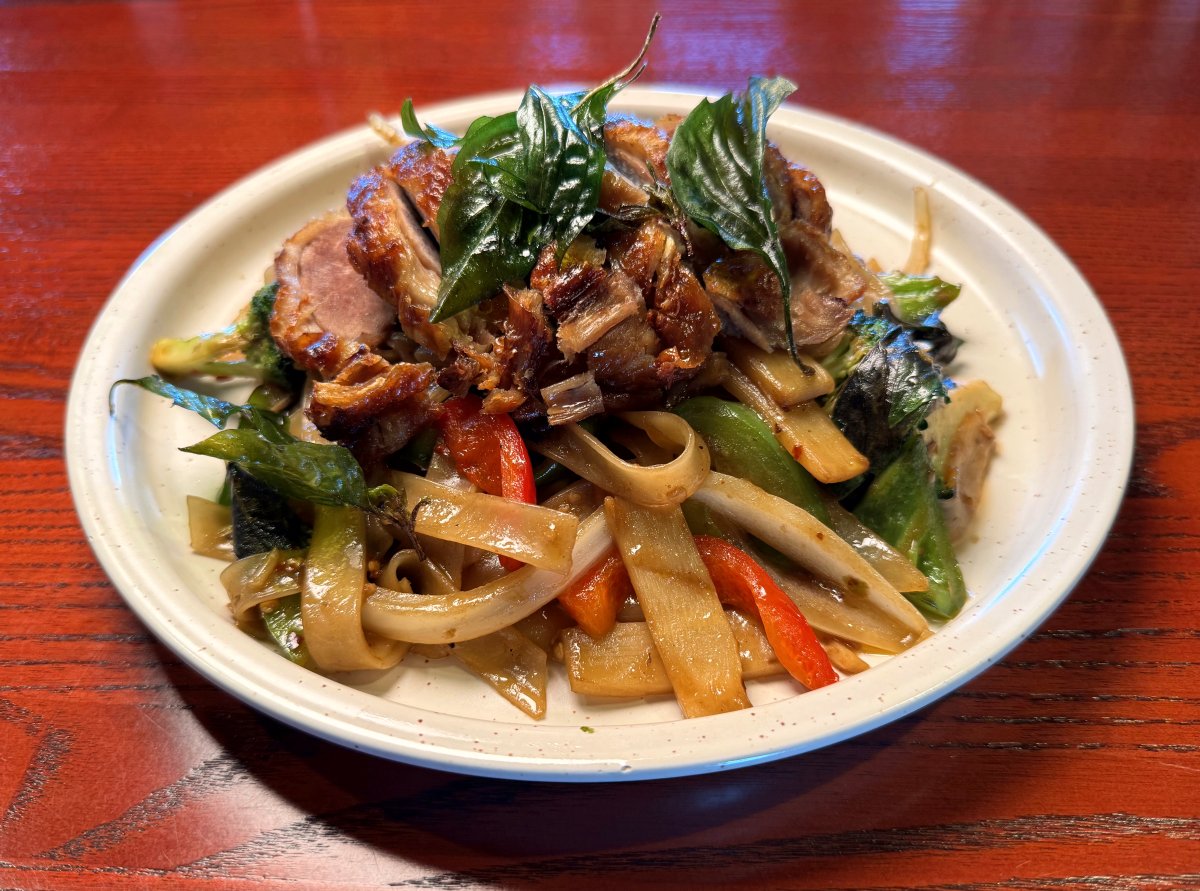
Ordering Thai food for delivery seems simple until you want one dish to arrive exactly right. Drunken noodles are a perfect example. When they are good, they hit every note at once: chewy rice noodles, glossy sauce, sharp basil, heat that builds without flattening the palate, and enough wok character to make the whole bowl feel alive. When they are off, the noodles congeal, the vegetables wilt into mush, the sauce turns salty without depth, and the dish arrives tasting like it sat in a steam bath for twenty minutes.
That gap matters more with delivery than with dine-in. Pad kee mao, the dish many menus label as Drunken Noodle, is built around texture and timing. It is not especially forgiving. A curry can hold. Fried rice can survive a drive across town. Drunken noodles have a much narrower sweet spot. If you have ever typed “Drunken Noodles Near Me” into your phone and ended up disappointed by a clumped, greasy container, you already know the problem.
Choosing well is less about luck than people think. A few signals, visible before you place the order, can tell you a lot about whether a restaurant understands the dish and whether its delivery setup protects it.
What makes a great drunken noodle in the first place
Before evaluating delivery options, it helps to know what you are actually looking for. Drunken noodle is not supposed to be soupy, sugary, or soft all the way through. A strong version usually has broad rice noodles with some elasticity left in them, a savory sauce with chili heat, garlic, and soy depth, and fresh Thai basil that perfumes the dish rather than disappearing into the background. You want contrast. The noodles should be slick, not waterlogged. The vegetables should keep some bite. The protein should taste seared rather than steamed.
Restaurants vary, and regional preferences vary too. Some cooks lean heavier on dark soy for color and sweetness. Others push fish sauce and fresh chili. Some use more vegetables, especially bell pepper, onion, and broccoli. None of that is automatically wrong. The real question is balance. If one element dominates, the dish loses the swagger that makes it memorable.
I have found that people often judge a Drunken Noodle by spice alone, and that is where they https://rentry.co/gv36grui get misled. Heat matters, but it is not the only marker of quality. A bowl that is painfully spicy can still be flat. A milder one can still taste complete if the basil is fresh, the wok sear comes through, and the sauce clings instead of pooling. Delivery complicates this because steam mutes spice and softens aromatics. That means the best delivery version often starts slightly stronger in the kitchen so it lands correctly at your door.
Why this dish is unusually hard to deliver well
Many noodle dishes travel poorly for obvious reasons, but drunken noodles face a specific set of obstacles. Wide rice noodles continue absorbing moisture after cooking. In a sealed takeout container, they trap steam and settle into one another. The same heat that keeps the food warm also keeps cooking it. By the time the bag reaches your front step, the noodles can go from pleasantly chewy to soft and stuck together.
Fresh basil is another weak point. Thai basil adds the dish’s signature aroma, but prolonged steam dulls it quickly. Delicate vegetables collapse under residual heat. Even the best sauces can become heavier in transit because condensation drips back into the noodles.
This is why the best restaurant for dine-in drunken noodles is not always the best one for delivery. Some kitchens plate beautifully in person but pack carelessly. Others have figured out smart workarounds, such as wider containers, vented lids, slightly undercooked noodles, or sauce ratios designed for travel. You are not only choosing a recipe. You are choosing a delivery system.
Start with the menu, not the star rating
When people search “Drunken Noodles Near Me,” most apps push them toward overall ratings. That is useful, but it is not enough. A restaurant can earn 4.7 stars because of its curries, dumplings, and bubble tea while still sending out mediocre noodles. What you want first is menu evidence that the kitchen treats this dish seriously.
Look at how the item is described. A sparse label like “spicy noodles” tells you very little. A better menu description mentions key ingredients that belong in the dish, such as wide rice noodles, Thai basil, chili, garlic, and vegetables. If the menu gives protein options, that is normal. If it lets you add many random extras without any mention of basil or heat level, the dish may be functioning more like a generic stir-fry template.
The rest of the menu offers clues too. If the restaurant lists several wok-fried noodle dishes, especially pad see ew, pad thai, and pad kee mao separately, that usually suggests a kitchen with a real noodle station and some familiarity with the differences. If drunken noodle appears beside sushi, wings, ramen, tacos, and boba under one roof, skepticism is fair. Fusion can be excellent, but all-purpose delivery menus often flatten technique.
Menu photos deserve caution, yet they can still help. You are looking less for beauty than for texture. Can you see distinct noodles rather than a dark, saucy mound? Do the vegetables still have shape? Is the basil visible? A photo with sheen and separation generally signals better wok handling than one where everything looks slick and collapsed.
Reviews are useful if you read them the right way
Averages hide details. The best information usually lives in the written comments, especially recent ones. Search within reviews for “drunken noodles,” “pad kee mao,” “basil,” “too salty,” “stuck together,” and “delivery.” Those words tell a much more specific story than generic praise about fast service.
Pay close attention to how people describe texture. If several reviewers say the noodles were chewy, smoky, balanced, or still had bite after delivery, that is promising. If they repeatedly mention clumping, oiliness, excessive sweetness, or a watery bottom in the container, believe them. These flaws tend to be consistent because they come from the way the dish is cooked and packed.
One pattern I trust is when reviewers disagree about spice level but agree about freshness and flavor. Spice perception varies wildly. One person’s medium is another person’s five-alarm emergency. But when multiple customers mention fragrant basil, good wok char, or vegetables that stayed crisp, that points to execution. Likewise, if the only compliments focus on portion size, not taste, that is a warning. Big servings cannot rescue a badly built noodle dish.
Another detail worth noticing is timing. Reviews from six months ago may describe a different kitchen than the one cooking tonight. Ownership changes, staff turnover, and delivery volume all affect consistency. Recent comments, especially those posted during peak delivery seasons or weekends, are more relevant than old praise.
Distance matters more than most people want to admit
People often choose the “best-reviewed” Thai restaurant in a five-mile radius, then wonder why the food arrives tired. Drunken noodles simply do better over short distances. Ten extra minutes in a sealed container can make the difference between springy and soggy.
A great local spot three-quarters of a mile away usually beats an excellent one across town. Delivery route complexity matters too. A restaurant near a dense downtown area may take longer to reach you than one that is technically farther away but easier to drive from. Apps rarely show that nuance, so estimated delivery time is more useful than distance alone.
If you are ordering during rush periods, add another layer of caution. A dish that travels adequately on a quiet Tuesday can degrade badly on a rainy Friday night when drivers juggle multiple stops. For noodles, shorter is safer.
Packaging tells you whether the restaurant has learned from experience
Well-run takeout restaurants adapt their packaging to the food. That sounds obvious, but plenty of places still send steam-sensitive noodles in deep, tightly sealed clamshells that practically guarantee overcooking. The best setups use containers that give noodles room to spread out. Wider is usually better than deeper. Some kitchens even vent the lid slightly or pack garnish in a separate compartment.
You can often infer packaging quality from review photos. If customers post images of noodles flattened into a brick or visibly swimming in condensation, the restaurant has a packing issue. If the food looks relatively loose and separated, that is encouraging.
A restaurant that offers extra lime, chili sauce, or basil on the side may also understand delivery better than average. Those small choices show awareness that freshness fades in transit and can be revived at home. It is not mandatory, but it reflects judgment.
How to gauge authenticity without becoming rigid about it
Authenticity is a loaded word, and it is not always a useful one. There are many legitimate versions of Thai noodle dishes, and restaurants adapt to local tastes for all kinds of practical reasons. Still, if your goal is the best Drunken Noodle for delivery, some signs do matter.
A kitchen that uses Thai basil rather than standard Italian basil is likely to produce a more recognizable aroma. Properly wide rice noodles matter because thinner noodles change the entire eating experience. A sauce built only on sweetness and soy misses the liveliness that should define the dish. Heat should come from chili, not just generic hot sauce.
At the same time, flexibility is fine. Some places add broccoli because customers expect it. Some use more vegetables to help the dish hold up during delivery. Some temper the fish sauce for broader appeal. What matters is whether the final result still tastes deliberate. You are not grading a museum piece. You are choosing a dinner that should survive a car ride and still taste like a real Drunken Noodle.
Protein choice can affect delivery quality
Not every protein travels equally well in this dish. Chicken is common and usually dependable if sliced thinly. Shrimp can be excellent but is easy to overcook, especially with residual heat in transit. Beef can stay flavorful, though it sometimes toughens if the slices are too thick. Tofu varies the most. When cooked properly, it absorbs sauce beautifully and keeps decent texture. When rushed, it can taste watery or rubbery.
If a restaurant is unfamiliar to you, chicken is often the safest first order because it reveals the kitchen’s baseline technique. Once you trust the place, you can branch out. Seafood is best reserved for restaurants that already have a strong reputation for handling wok dishes well.
A quick screening method before you order
If you want a practical way to narrow your choices, use this short filter:
- Pick restaurants within a delivery window that feels realistically short, ideally under 35 to 40 minutes from order to door.
- Read the menu description for Drunken Noodle and look for wide rice noodles, basil, chili, and a clear distinction from other noodle dishes.
- Search reviews for delivery-specific comments about texture, not just flavor.
- Check customer photos for separated noodles and intact vegetables.
- Order at a non-peak time first, so your trial run reflects the kitchen rather than a Friday-night backlog.
That five-minute review process weeds out a surprising number of disappointing options.
Pricing can signal quality, but only loosely
Very cheap drunken noodles can be a bargain, but they often come with predictable trade-offs: fewer fresh herbs, more filler vegetables, lower protein quality, or sauce designed to be broadly sweet and salty rather than nuanced. Extremely expensive versions are not always better either. Sometimes you are paying for branding, a trendy neighborhood, or large portions that do not actually improve the dish.
The most reliable sweet spot is moderate pricing aligned with the rest of the restaurant’s wok menu. If drunken noodles are priced similarly to pad see ew and slightly above basic fried rice, that usually makes sense. If the dish is suspiciously cheap compared with everything else, corners may be getting cut. If it is dramatically more expensive without a clear reason, such as premium seafood or a large format portion, be cautious.
Portion size deserves context. Wide rice noodles are heavy, so a container can look generous even if the protein is sparse. Read reviews for comments on balance, not just fullness. A good bowl should not feel like a pile of noodles with three pieces of chicken hidden inside.
Customization can save or ruin the order
Delivery apps invite endless modifications, but more changes do not always help. Asking for extra sauce sounds smart until the container arrives soupy. Requesting very spicy can overwhelm the dish if the kitchen compensates with raw heat instead of flavor. Swapping vegetables may increase moisture and soften the noodles even more on the ride over.
A better approach is restrained customization. Adjust spice one level at a time. Ask for chili condiment on the side if available. If you like extra basil, that can be a strong request because it adds aroma without wrecking texture. Sauce on the side can work for some dishes, but with Drunken Noodle it often breaks the integration that comes from cooking the noodles directly in the sauce. I would avoid it unless a restaurant specifically recommends that option.
There is also a timing issue. Complicated modifications slow kitchens down, especially during busy service. With a fragile noodle dish, every extra minute matters.
Red flags that usually lead to a disappointing container
Certain signs show up again and again when a restaurant’s drunken noodles disappoint in delivery:
- The menu treats every noodle dish as the same base with different sauces.
- Reviews praise portions and speed but say almost nothing about basil, texture, or balance.
- Customer photos show dark, wet noodles packed in a deep clamshell.
- The restaurant is very far away or known for long app wait times.
- The menu is so broad that Thai stir-fry appears to be an afterthought.
One of these issues alone is not fatal, but two or three together usually point in the same direction.
Timing your order can improve the food more than you expect
There is a practical advantage to ordering this dish slightly outside peak hours. Kitchens move faster, drivers spend less time stacking orders, and the noodles spend fewer minutes trapped in steam. Late lunch and early dinner often produce better results than prime-time surges.
If you do order during the busiest window, try to be ready when the courier arrives. Letting the bag sit in the lobby or on the porch compounds the very problem you were trying to avoid. Open the container soon after delivery. If the noodles look tightly compressed, give them a gentle toss immediately while they are still hot. That small step can restore some separation.
Anecdotally, the best delivered Drunken Noodle I have had came from an unglamorous neighborhood Thai spot that quoted thirty minutes and arrived in twenty-two. The noodles were spread in a wide paper container, the basil was still bright, and the dish had enough sear to smell toasted when I opened it. The most expensive version I have ordered came from a more celebrated restaurant forty-five minutes away. It tasted fine, but the noodles had fused into a glossy slab by the time it arrived. Reputation lost to logistics.
What to do after the first order
The first delivery from a new restaurant is really a test. Use it to gather evidence. Ask yourself a few specific questions while eating. Did the noodles stay distinct? Was the basil still noticeable? Did the sauce coat rather than drown the dish? Did the vegetables keep some structure? Would this dish have improved if it had traveled ten fewer minutes, or was the problem baked into the cooking itself?
If the flavor is strong but the texture suffers, the restaurant may still be worth a second chance with a different delivery time or pickup instead of delivery. If both flavor and texture miss the mark, move on. There are too many good options to keep gambling on a place that treats Drunken Noodle like just another app item.
Building a short personal ranking is smarter than relying forever on search results. Once you have tried three or four local spots, patterns become obvious. One place may nail spice but overcook noodles. Another may pack perfectly but underseason. Eventually you find the restaurant that understands the dish and respects the trip to your door.
The best choice is usually the place that thinks beyond the wok
The search for “Drunken Noodles Near Me” is really a search for judgment. You want a kitchen that cooks the dish well, a front-of-house team that packs it wisely, and a delivery operation that gets it to you before steam does too much damage. That combination is rarer than a high star rating suggests.
The strongest restaurants tend to show the same habits everywhere. Their menu descriptions are specific. Their reviews mention texture and basil, not just speed. Their photos show noodles with life in them. Their delivery radius is realistic. Their pricing makes sense. Their packaging looks like someone actually thought about how rice noodles behave in transit.
When you find that place, stick with it. Drunken noodles are one of the most satisfying delivery meals around when the details line up. They are also one of the easiest to get wrong. A little scrutiny before you order pays off fast, especially with a dish this dependent on timing, heat, and texture. The right Drunken Noodle arrives fragrant, glossy, and just unruly enough to remind you why you wanted it in the first place.
Nakhon Luang Thai Kitchen
Address: 805 Village Center Dr, Colorado Springs, CO 80919
Phone number: +17195315175
FAQ About Drunken Noodles Near Me
What makes it drunken noodles?
Drunken noodles, or Pad Kee Mao, get their name from the Thai word khi mao (meaning "drunkard"). They contain no alcohol. The name comes from the idea that the dish is a popular late-night meal to cure a hangover or a great food to eat with a cold beer.
What is the difference between pad see ew and drunken noodles?
While both Pad See Ew and Drunken Noodles use the same wide rice noodles, Pad See Ew is a mild, sweet-savory dish made with dark soy sauce and Chinese broccoli, whereas Drunken Noodles (Pad Kee Mao) are fiery, garlicky, and herbaceous with fresh chilies and Thai basil.
What are traditional drunken noodles?
Traditional drunken noodles, known as Pad Kee Mao in Thai, are a fiery, savory street food stir-fry made with wide flat rice noodles, fresh garlic, lots of hot chilies, meat or tofu, and fragrant holy basil. Despite the name, they contain no alcohol; the dish is traditionally eaten late at night or as a hangover cure because the intense spice helps clear the head.