Drunken Noodles Near Me: Discovering the Best Thai Restaurants Nearby
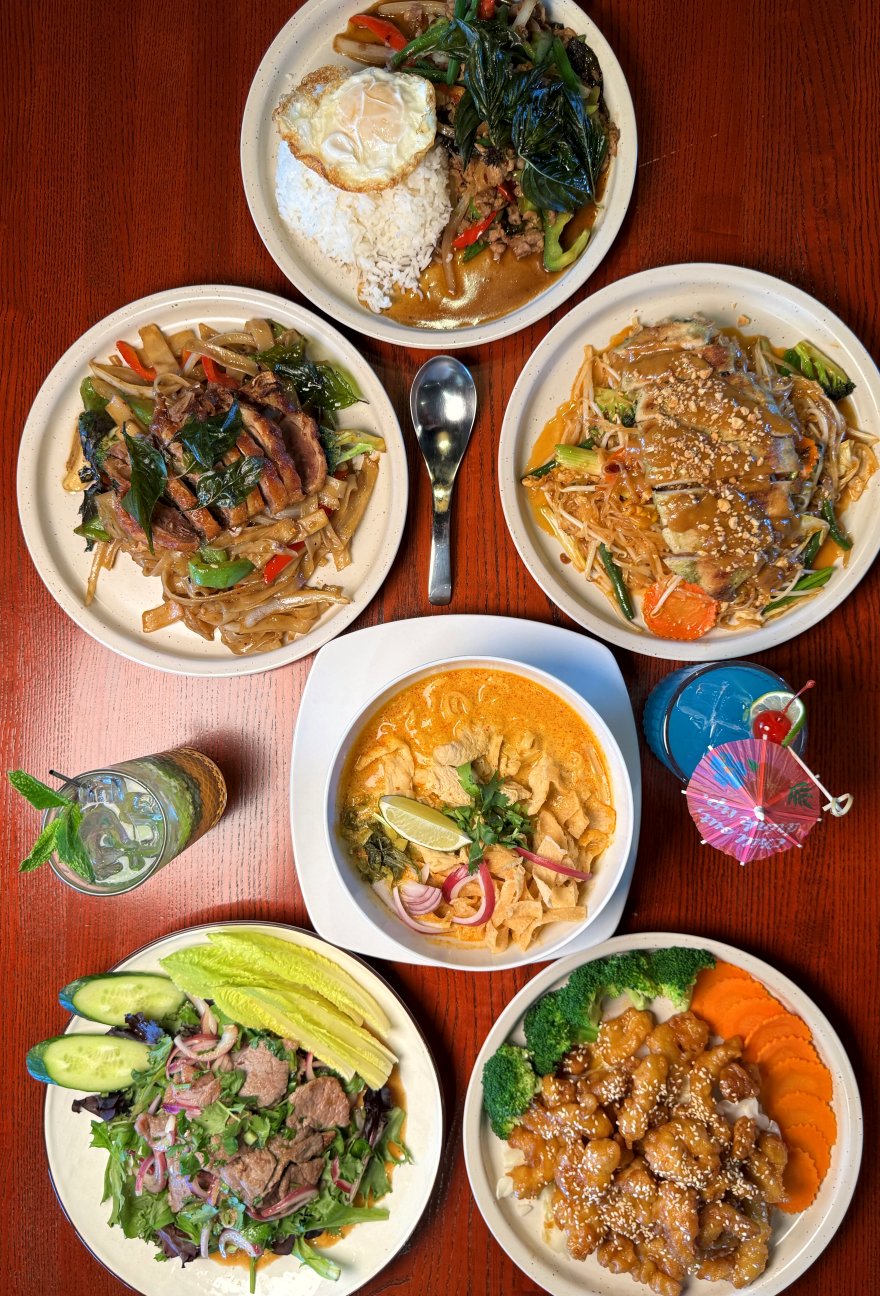
Few food searches are as specific, and as revealing, as typing Drunken Noodles Near Me into a phone after a long day. It usually means you do not want a generic takeout dinner. You want heat, chew, char, basil, and the kind of savory depth that only a well-made plate of Thai stir-fried noodles can deliver. You want something comforting but not heavy, spicy but not one-note, fast but still cooked with intention.
That craving makes sense. Drunken Noodle, often known on many menus as pad kee mao, is one of those dishes that exposes a restaurant quickly. It looks simple at a glance: broad rice noodles, vegetables, protein, chili, garlic, basil, sauce. Yet the gap between an average version and a memorable one is wide. A weak plate turns gummy, sweet, and flat. A strong one arrives glossy and fragrant, with noodles that hold their shape, edges kissed by wok heat, and a flavor arc that moves from salty to savory to herbal to spicy in just a few bites.
If you are trying to find the best Thai restaurant nearby for this dish, it helps to know what you are looking for before you place the order. Not every Thai restaurant approaches drunken noodles the same way, and not every location handles dine-in, takeout, and delivery with equal skill. The best choice depends not just on the menu, but on timing, kitchen style, and what kind of version you actually want.
What makes drunken noodles worth seeking out
Drunken noodles have earned a loyal following because they sit at the crossroads of comfort food and serious cooking. The dish is filling, but it should never feel clumsy. The noodles are soft and broad, but still need tension and bite. The sauce should coat rather than drown. Fresh basil should brighten the plate at the end rather than disappear into sugar or oil.
A lot of people discover Thai food through pad thai, which is understandable. It is familiar, balanced, and widely available. Drunken noodles, though, tend to appeal to people who want more intensity. There is more smoke, more chili, and often more umami. In a good kitchen, the dish tastes alive. You can sense the pan heat, the timing, the speed of assembly. That is part of why searching for Drunken Noodles Near Me can feel more urgent than searching for almost any other noodle dish. When the craving hits, only that exact profile will do.
There is also the issue of variation. Some restaurants lean hard into spice and garlic. Others make a sweeter, more accessible version for broad appeal. Some use Chinese broccoli, others bell peppers, onions, baby corn, green beans, or mushrooms. Protein choices vary as well, from chicken and beef to tofu, shrimp, crispy pork, or mixed seafood. Those differences matter. They affect not just flavor, but the personality of the restaurant.
The signs of a truly good plate
The first thing I look for is the noodle itself. Wide rice noodles are unforgiving. If they sit too long or get over-sauced, they clump and lose texture. Good drunken noodles have strands that separate cleanly, with enough elasticity to hold up under the sauce. When a restaurant gets this right, the dish still eats well even ten or fifteen minutes after pickup. When it gets it wrong, the whole plate collapses into a sticky mass before you have finished the first third.
The second sign is wok character. Not every neighborhood Thai spot uses the same burners or the same style of pan work, and you can taste that difference immediately. A proper stir-fry carries a light smokiness and a faint edge of char, especially on onions, peppers, and noodle surfaces. That is not burnt flavor. It is controlled heat, and it gives the dish dimension.
Then there is the basil. Drunken noodles without a clear basil note feel incomplete. Thai basil adds anise-like brightness and lifts what would otherwise be a dense combination of soy-based sauce, https://milosrfj921.publishlane.com/posts/how-to-find-authentic-drunken-noodles-near-me-without-guesswork garlic, and chili. If the basil is sparse, old, or cooked too long, the dish loses one of its defining qualities.
Spice matters too, but not in the simplistic way review sites often frame it. A restaurant does not need to make the hottest drunken noodles in town to make the best ones. What matters is whether the heat is integrated. You should taste chili, yes, but also garlic, oyster or soy-based savoriness, vegetal sweetness from onion or broccoli, and that basil finish. If the spice level simply flattens everything else, it is less skillful than it looks.
Why “best nearby” is not always the closest place
The nearest Thai restaurant is not automatically the best answer to your craving. Proximity helps, especially for noodles that do not improve during long delivery rides, but distance is only one variable. A place six minutes farther away may be twice as consistent, especially during peak dinner hours.
I have seen this play out in cities, suburbs, and small towns. One Thai restaurant might produce excellent curries and decent noodle dishes, while another is clearly stronger at wok-fired items. Menus do not always tell you that. Reviews do not always tell you either, because many customers praise the restaurant generally without isolating a specific dish. That is why a little pattern recognition helps.
If you are evaluating nearby options, pay attention to whether drunken noodles appear as a signature favorite in reviews, not just whether the restaurant has a high average rating. A 4.7-star place can still make a forgettable Drunken Noodle if its strengths lie elsewhere. On the other hand, a modest-looking local spot with slightly rougher service and fewer polished photos may turn out a better stir-fry because the kitchen has stronger wok technique.
Travel time matters most when ordering delivery. Ten to twenty minutes is usually manageable for a noodle dish. Once you push beyond that, texture degrades fast, especially if the container traps too much steam. If the best local option is farther away, pickup often makes more sense than delivery.
How to judge a Thai restaurant before ordering
When you are browsing menus and reviews, certain clues tend to be more reliable than others. Pretty food photography helps nobody if the kitchen sends out soft noodles in a puddle of sauce. What you want are signals that the restaurant understands balance, heat, and timing.
Here are the markers I trust most when deciding where to order:
- Reviews mention wok flavor, basil, or balanced spice rather than just “huge portions.”
- The menu offers clear spice customization without turning every dish into a novelty challenge.
- The restaurant has a focused Thai menu rather than an overextended pan-Asian lineup.
- Photos show noodles that look glossy and separated, not crowded by sauce.
- The kitchen seems busy at meal times, which often means higher turnover and fresher prep.
That last point is underrated. Busy kitchens can make mistakes, of course, but they also tend to have ingredients moving quickly. Fresh basil, cut vegetables, and cooked noodles all benefit from turnover. A sleepy restaurant at 7:30 p.m. On a Friday is not always a red flag, but it does make me look harder.
The most common disappointments, and what causes them
When people say they were underwhelmed by drunken noodles, they are usually reacting to one of a handful of recurring problems. The dish is easy to love and easy to mess up. Over time, you start to spot the causes.
One common issue is sweetness. Some restaurants tilt the sauce too far toward sugar, perhaps to appeal to diners who are more familiar with sweeter takeout styles. The result tastes less like a stir-fry and more like a glaze. It can be pleasant for three bites, then exhausting.
Another issue is bulk without balance. You will sometimes see containers overstuffed with broccoli, carrots, or bell peppers, while the noodles themselves are broken down and the basil is barely present. Vegetables belong in the dish, but they should support it, not dilute it.
Protein can also be a weak link. Chicken breast often dries out if added too early. Beef can go chewy if sliced too thick. Tofu can taste bland if it is not seasoned or crisped first. Shrimp may be overcooked by the time the dish reaches your door. A good restaurant knows how each protein changes the timing of the stir-fry.
Then there is the delivery trap. Some dishes survive transport well. Drunken noodles are less forgiving. Steam trapped inside a plastic lid continues cooking the noodles after they leave the pan. Five extra minutes can turn good texture into soft paste. That is why a restaurant that feels average on delivery may actually be excellent in person.
Dine-in, takeout, or delivery, each changes the dish
This is one of the biggest practical details people overlook. The same Thai restaurant can offer three noticeably different drunken noodle experiences depending on how you eat it.
Dine-in is the best-case scenario. You get the noodles closest to the moment they leave the wok, which means the texture is at its peak and the basil aroma is still vivid. If you care most about quality, eating in the restaurant is hard to beat.
Takeout is a strong second option, especially if you can get home quickly and open the container right away. If I am picking up drunken noodles, I usually eat them within ten minutes and loosen the noodles gently with chopsticks or a fork as soon as I can. That small step helps release steam and preserves texture.
Delivery is convenient, but it comes with risk. If the restaurant is farther than a short drive, or if the app shows multiple stops, your food may arrive tired. Some restaurants compensate well with vented packaging or slightly firmer noodle cooking. Others do not. If your craving is specific and you want the best possible version, convenience may not be your best friend that night.
Regional style, house style, and why menus vary
Not every Drunken Noodle tastes the same because Thai cooking itself is not monolithic, and American Thai restaurant culture has developed its own local habits over decades. Some places build a darker, more savory sauce. Some use more fresh chili and less sweetness. Some add tomato, which can bring brightness but can also soften the dish if overdone. Others use baby corn or bamboo shoots, which shift the texture in noticeable ways.
House style matters just as much as regional influence. One chef may prefer more garlic and a drier stir-fry. Another may lean into rich sauce and softer vegetables. Neither approach is automatically wrong. What matters is execution and whether the flavors stay in proportion.
This is why it can be worth trying drunken noodles from several nearby Thai restaurants, even if one place already seems “good enough.” You are not just comparing quality. You are discovering whose version aligns with your taste. Some diners want intense chili and char. Others want more basil and vegetables. Some want a deep brown sauce and chewy noodles. That personal calibration is part of the fun.
What to ask for when customizing your order
Customization can improve the dish, but only if you know what changes are likely to help. Asking for “extra spicy” without context can produce very different results depending on the restaurant. At one place it may mean fresh chopped chilies. At another it may mean a spoonful of chili paste that shifts the flavor profile entirely.
I usually recommend moderate customization on a first order. Let the restaurant show you its baseline. From there, adjust intelligently. If the noodles were too sweet, ask next time for less sweet or a more savory preparation. If the basil note was weak, ask whether they can add extra basil. If the vegetables overwhelmed the noodles, request light vegetables. Those are specific requests, and kitchens generally respond better to them than to vague demands for “better flavor.”
A practical order note might read like this: medium spice, extra basil, light bell pepper. That gives the kitchen something useful. By contrast, “make it authentic” often tells them very little and can come across poorly.
Side dishes that pair well, and ones that compete
Drunken noodles are rich enough to stand alone, which is one reason they are such a reliable takeout choice. Still, if you are building a fuller Thai meal, pairing matters. A bright papaya salad can cut through the richness. Fresh spring rolls add contrast. A light soup can work if you are sharing with others.
Heavy fried appetizers, though enjoyable, can crowd the meal. If you start with fried dumplings, wings, and cream cheese wontons, the subtleties of the noodle dish are harder to notice. That may be fine if the goal is pure comfort food. It is less ideal if you are trying to judge whether a restaurant truly makes excellent drunken noodles.
The same goes for drinks. Sweet iced tea, soda, or sugary cocktails can blunt chili and basil. Water, sparkling water, or an unsweetened iced tea keeps your palate clearer. It sounds minor, but it changes how you experience the dish.
Price, portions, and the real value question
Depending on your area, a plate of drunken noodles may run anywhere from about $12 to over $20, especially with seafood or premium proteins. Price alone does not predict quality, but it does affect what counts as good value.
A larger portion is not always the smarter buy. If the extra size comes from too many vegetables, excessive sauce, or low-quality noodles, you are paying for volume rather than craft. I would rather spend a few dollars more on a smaller plate with proper wok heat and balanced seasoning than save money on something I only half enjoy.
That said, some neighborhood Thai restaurants offer exceptional value. Family-run spots often deliver the best ratio of price to quality, especially if they have built a loyal local following around a few standout dishes. In many places, drunken noodles are also one of the better leftovers among Thai noodle dishes, provided they were not overcooked from the start. A quick reheat in a pan can revive them better than a microwave, though a splash of water and short microwave burst can work in a pinch.
A practical way to find your local favorite
If you really want to settle the question of where to get the best Drunken Noodles Near Me, a little method goes a long way. Do not rely on one order from one restaurant on one random night. Thai kitchens can vary by cook, rush level, and whether you dined in or ordered delivery.
A better approach is to compare thoughtfully across a few places over time. Order the same protein if possible. Keep spice level similar. Notice not only what tastes good in the moment, but what holds up halfway through the meal. Does the sauce remain balanced? Do the noodles keep their texture? Is there enough basil to define the dish? These details separate a place you order from once from a place you return to regularly.
If I were helping someone narrow down nearby Thai restaurants, I would compare these four factors first:
| Factor | What to look for | Why it matters | | --- | --- | --- | | Noodle texture | Broad noodles that stay distinct and chewy | Prevents the dish from turning gummy | | Wok flavor | Light char, smoky aroma, quick stir-fry finish | Signals strong pan technique | | Basil presence | Fresh, fragrant basil that remains noticeable | Defines the dish’s character | | Delivery resilience | Packaging and cook style that survive transport | Important if you are not dining in |
That table captures the essentials better than star ratings ever will. A restaurant can excel at three out of four and still be worth your time, but if it misses on noodle texture and wok flavor, the dish usually falls short.
Why the search becomes personal
At some point, the search stops being abstract. You stop looking for “a Thai restaurant” and start looking for your Thai restaurant, the place that understands exactly how you want this dish to taste. Maybe it is the spot with the aggressive chili heat and smoky noodles. Maybe it is the quieter neighborhood place that adds just enough basil and keeps the vegetables crisp. Maybe it is the restaurant that is not the highest rated, but never sends out a soggy order and always gets the balance right.
That is what makes the phrase Drunken Noodles Near Me so compelling. It is not just a location search. It is a search for reliability, comfort, and flavor memory. The best version near you is the one that consistently delivers the mix of heat, texture, aroma, and depth that satisfies the craving without compromise.
When you find that place, keep it close. Order direct if you can. Pick it up when the weather is bad and delivery would ruin the noodles. Learn how they handle spice. Notice which nights the kitchen is sharpest. Small habits like that turn a decent meal into a dependable ritual.
And if you have not found your local favorite yet, the good news is that drunken noodles reward the search. A truly excellent plate reminds you why this dish has lasted on Thai menus everywhere. It is bold without being messy, comforting without being dull, and familiar without ever feeling basic. Once you know what great looks like, the next time you search for Drunken Noodles Near Me, you will know exactly where to go.
Nakhon Luang Thai Kitchen
Address: 805 Village Center Dr, Colorado Springs, CO 80919
Phone number: +17195315175
FAQ About Drunken Noodles Near Me
What makes it drunken noodles?
Drunken noodles, or Pad Kee Mao, get their name from the Thai word khi mao (meaning "drunkard"). They contain no alcohol. The name comes from the idea that the dish is a popular late-night meal to cure a hangover or a great food to eat with a cold beer.
What is the difference between pad see ew and drunken noodles?
While both Pad See Ew and Drunken Noodles use the same wide rice noodles, Pad See Ew is a mild, sweet-savory dish made with dark soy sauce and Chinese broccoli, whereas Drunken Noodles (Pad Kee Mao) are fiery, garlicky, and herbaceous with fresh chilies and Thai basil.
What are traditional drunken noodles?
Traditional drunken noodles, known as Pad Kee Mao in Thai, are a fiery, savory street food stir-fry made with wide flat rice noodles, fresh garlic, lots of hot chilies, meat or tofu, and fragrant holy basil. Despite the name, they contain no alcohol; the dish is traditionally eaten late at night or as a hangover cure because the intense spice helps clear the head.