Drunken Noodles Near Me: A Practical Guide to Ordering Thai Food
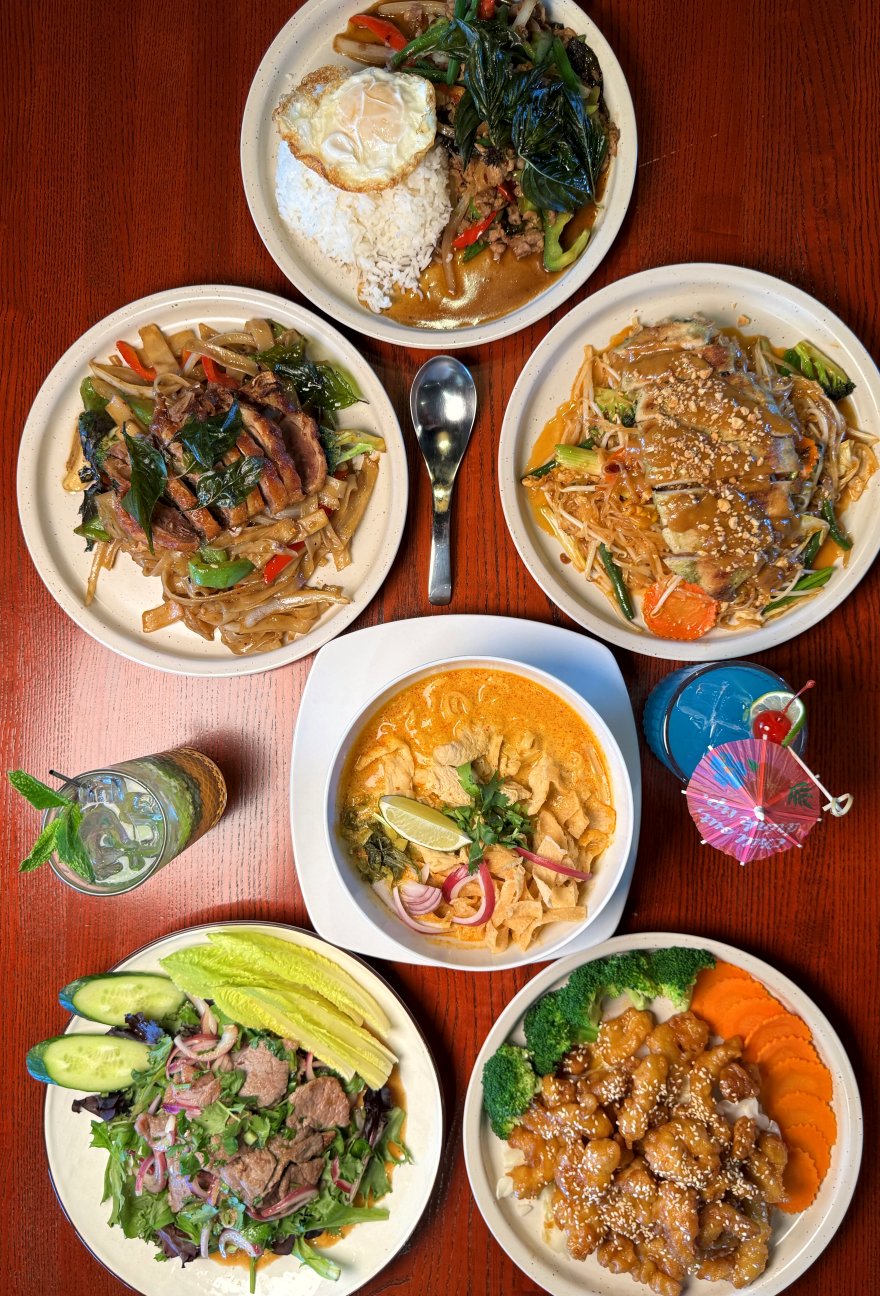
The moment you type “Drunken Noodles Near Me” into your phone, you are usually not looking for a lecture on Thai cuisine. You are hungry, probably in a hurry, and trying to avoid the disappointment of spending $18 on a bland takeout container that tastes like sweet soy sauce and regret. That is exactly why this dish deserves a practical guide.
Drunken noodles, often listed on menus as pad kee mao, sit in a tricky category. They are common enough that almost every Thai restaurant offers them, but they vary more from kitchen to kitchen than many diners expect. One restaurant serves a dark, smoky, basil-heavy plate with wide rice noodles and serious heat. Another sends out something closer to pad see ew with a few chili flakes tossed on top. Both may call it the same thing. Only one may scratch the itch you actually have.
If you order Thai food often, you already know that menu descriptions tend to be short and not always helpful. “Stir-fried broad noodles with chili and basil” is technically accurate, but it does not tell you whether the noodles are chewy or mushy, whether the spice level has any bite, or whether the kitchen cooks the vegetables until they still have snap. Those details matter. They are the difference between a craveable weeknight order and a dish you quietly push to the back of the fridge.
What drunken noodles are supposed to be
A good Drunken Noodle should taste lively and slightly unruly. It is a hot wok dish built around broad rice noodles, garlic, chili, basil, vegetables, and a savory sauce that usually leans on soy, oyster sauce, fish sauce, and a touch of sweetness. The noodles should be slick but not swimming. The basil should smell fresh. The heat should not be a gimmick. It should sharpen the whole dish, not bury it.
Despite the name, the dish does not usually contain alcohol. The “drunken” part is widely understood as a reference to the kind of bold, spicy food people crave late at night or eat with drinks. That tracks with the flavor profile. Drunken noodles are direct and assertive. They are not subtle in the way a delicately balanced curry can be. You order them because you want impact.
The best versions have wok hei, that hard-to-fake charred aroma that comes from intense heat and fast cooking. In a restaurant kitchen with a proper burner, the noodles pick up a faint smokiness and just a few caramelized edges. At home, it is hard to replicate. In takeout, it softens during transit. That is why drunken noodles can be brilliant when eaten fresh in-house and merely decent after a 25-minute drive. Knowing that helps set expectations.
Why this dish can be hard to judge from the menu
A Thai menu often tells you less than you need to know. Drunken noodles are especially vulnerable to shorthand because every version shares the same basic vocabulary. Noodles, chili, basil, vegetables, protein. That sounds consistent. In practice, several key choices reshape the dish.
Some kitchens use fresh wide rice noodles that stay tender and slightly elastic. Others use dried noodles that are fine, but rarely have the same bounce. Some cooks add baby corn, broccoli, onion, bell pepper, tomato, carrot, or green beans. None of those are inherently wrong, but they change the texture and sweetness. The basil itself matters too. Thai basil brings an anise note that gives the dish lift. Italian basil can work in a pinch, but it lands differently.
Then there is the sauce. A strong kitchen balances salt, sweetness, umami, and spice so the noodles taste savory first, fiery second. A weaker one lets sugar dominate, which flattens the dish and makes it feel heavy. Another common miss is over-saucing. Wide rice noodles absorb and cling to sauce well. Too much liquid turns the bottom of the container gummy by the time you open it.
This is why search results and star ratings only go so far. A restaurant can have excellent curries and average noodle stir-fries. Another place may be a takeout specialist that nails wok-fired noodle dishes but makes forgettable appetizers. If your goal is specifically a strong Drunken Noodle, you have to order with more discernment than “good Thai food nearby.”
How to read a menu like someone who orders Thai food regularly
The menu gives away more than most people realize. Even short descriptions carry clues.
If the restaurant lists the Thai name, pad kee mao, that usually suggests some confidence in traditional menu language. It is not proof of quality, but it is often a good sign. If the description mentions holy basil or Thai basil, that is another encouraging detail. If it simply says “spicy flat noodles” with no mention of basil, chili, or vegetables, the kitchen may be simplifying the dish for a general audience.
Protein options also tell a story. Chicken, pork, beef, tofu, and shrimp are standard. Seafood, crispy pork belly, duck, or mixed seafood suggest a broader stir-fry setup and often a kitchen that is comfortable moving beyond the basics. Again, not proof, but useful context.
Price matters too. In many U.S. Cities, drunken noodles priced at the very bottom of the noodle section may rely on cheaper ingredients, smaller protein portions, or less careful prep. That does not mean expensive always equals better. It does mean extremely cheap noodle dishes often cut corners where texture and freshness count most.
A menu that allows easy customization is worth noting. If the ordering platform lets you select spice level, protein, and add-ons like extra basil, that shows the restaurant expects customers to care about the dish’s details. If there are no options and everything looks copy-pasted, the restaurant may still be good, but you have less control.
The difference between a good Drunken Noodle and a forgettable one
At its best, this dish feels almost architectural. Wide noodles provide chew and heft. Vegetables add contrast. Basil contributes fragrance. Chili cuts through the richness. Protein supports rather than dominates. Every bite feels slightly different.
At its worst, everything collapses into one brown, soft, sugary tangle. That usually happens for one of three reasons. The noodles were overcooked in the wok. The sauce was too sweet or too heavy. The dish sat too long before eating.
Texture is the first thing I judge. Freshly cooked drunken noodles should separate easily when lifted with chopsticks or a fork. They can stick a little, because rice noodles are prone to clinging, but they should not form a single dense sheet. Vegetables should still exist as vegetables, not as wet garnish. Onion should keep a little bite. Bell pepper should not dissolve. Basil should wilt into the noodles, not vanish.
Heat is the second test. Many restaurants soften spice for delivery customers because complaints about “too spicy” are common. If you truly want the dish hot, “medium” often means mild. “Thai spicy” can mean anything from pleasantly sharp to punishing, depending on the kitchen. The safest move is to ask for medium-hot or medium plus if the platform allows a note, especially if you are ordering from a place for the first time.
Choosing the right protein, because it changes more than you think
The protein is not just a preference box you tap during checkout. It shifts the whole balance of the dish.
Chicken is the safest baseline. It absorbs sauce well, stays relatively light, and rarely overwhelms the noodles. If you are trying a restaurant for the first time and want to judge its default execution, chicken is a smart order. It lets the noodle texture and seasoning show through.
Beef works best when sliced thin and cooked fast. In a strong kitchen, it adds savory depth and a bit of richness. In a weaker one, Drunken Noodles Near Me it can turn chewy and dominate the dish. Pork, especially sliced pork rather than ground pork, often lands in a nice middle ground. It brings more flavor than chicken without the heaviness of beef.
Shrimp can be excellent, but takeout is less forgiving. Overcooked shrimp go rubbery quickly, especially in a hot container. Tofu is better than many people assume, particularly if the kitchen presses and sears it well. It soaks up sauce, pairs naturally with basil, and keeps the dish from feeling greasy. Crispy pork belly or duck can be delicious in dine-in settings, but for delivery they can lose the contrast that makes them worth ordering.
When people ask me for the single most reliable first order, I usually say chicken or tofu. Both give you a clean read on the restaurant’s handling of the noodles and sauce.
What to ask for when ordering
The best Thai takeout orders are specific without being fussy. You do not need to rewrite the dish in the notes. You do want to communicate the details that matter most to you.
Here is a short approach that works well:
- Choose a realistic spice level, usually one step hotter than you pick at non-Thai restaurants.
- Ask for extra basil only if you know you like the herbal side of the dish.
- Skip too many add-ons the first time, so you can judge the house version.
- If you are driving more than 20 minutes, request sauce on the lighter side if the restaurant accepts notes.
- Pair it with something cooling if you are testing a new spice level, such as iced tea or a mild curry.
That is enough guidance for most orders. Restaurants appreciate clear notes more than long instructions. A sentence like “medium-hot, extra basil if possible” is helpful. A paragraph about noodle hydration is not.
How to use reviews without getting misled
Searching “Drunken Noodles Near Me” usually pulls up a wall of review snippets, star scores, and food photos taken under bad lighting. Reviews help, but only if you know what to ignore.
Start with comments that mention the actual dish by name. A glowing review about spring rolls tells you almost nothing about noodle execution. Look for patterns in phrases like “great smoky flavor,” “wide noodles were perfect,” “too sweet,” or “not spicy even when ordered hot.” Those details are useful because they are concrete.
Photos help in a limited way. You can often spot whether the restaurant uses broad rice noodles, whether the dish looks dry or soupy, and whether the vegetable ratio seems sensible. What you cannot judge from photos is wok aroma, actual spice, or whether the noodles arrived in good condition after a 30-minute trip.
A restaurant with fewer total reviews but repeated praise for its noodle dishes can be a better bet than a trendy place with thousands of mixed comments. I have had some of the best drunken noodles in modest storefronts attached to small markets or tucked into suburban strips where the dining room decor clearly came second to the burner setup.
Delivery versus pickup versus dine-in
If drunken noodles are your target, the method of getting them matters more than it does for many other Thai dishes.
Dine-in is the gold standard. You get the noodles minutes after they leave the wok, while the basil is fragrant and the edges still hold a bit of char. Pickup comes second, especially if you are close to the restaurant and eat soon after getting home. Delivery is the most variable. Steam builds inside the container, noodles soften, and vegetables lose texture.
This does not mean you should never order delivery. It means you should adjust expectations. A good delivery version is still deeply satisfying, but it rarely matches the version served straight from the wok. If you know the restaurant is 35 minutes away and your craving is specifically for wok-fired texture, pickup will almost always pay off.
Packaging makes a difference too. A rigid vented container usually protects texture better than a tightly sealed bowl. Some places package chili condiments separately, which is useful if you want to adjust heat on arrival. Others pile everything into one plastic tub that traps steam aggressively. If you find a place that packs noodle dishes well, remember it. That kind of operational detail is worth loyalty.
Spotting a restaurant that understands noodle dishes
The strongest Thai restaurants tend to show consistency across the noodle section. If drunken noodles, pad see ew, and pad thai all get praise for texture rather than just portion size, that is a promising sign. Noodle cookery is technical. Timing, heat, sauce control, and batch size all matter. A kitchen that gets those right usually gets them right repeatedly.
You can also infer skill from menu breadth. A very long menu is not automatically bad, but when a restaurant offers Thai, sushi, pho, ramen, burgers, and wings under one roof, specialization becomes questionable. A focused Thai menu with regional dishes, larb, basil stir-fries, and a sensible curry section often indicates a kitchen with stronger command.
If the restaurant offers multiple basil-forward dishes, that is another clue. Drunken noodles depend on basil being treated as an active ingredient, not decorative confetti. A place that clearly cares about basil in stir-fries often handles pad kee mao with more conviction.
Common ordering mistakes
People often blame the restaurant for problems created by the order itself. I have made some of these mistakes too, especially when ordering late and over-customizing.
One frequent error is choosing the wrong spice level. If you order “mild” and then complain that the dish lacked excitement, that is partly on you. Drunken noodles are built to carry heat. Another is adding too many extras. Extra vegetables, extra sauce, double protein, fried egg, and multiple substitutions can drag the balance off-center. A dish designed for speed and high heat does not always improve under modification.
Another mistake is comparing every plate to a single memorable version from a favorite restaurant years ago. Thai food is regional, local, and adaptive. One kitchen may highlight fresh chili and basil. Another may lean darker and more savory. The question is not whether every dish tastes identical. The question is whether this restaurant’s version is coherent, well-cooked, and worth reordering.
When you might want something other than drunken noodles
Sometimes the craving is not actually for Drunken Noodle, even if that is what you search for. If you want sweeter, gentler noodles with less heat, pad see ew may suit you better. It uses similar broad noodles but usually emphasizes soy, egg, and Chinese broccoli in a calmer, less spicy format. If you want peanuts, tamarind, and a brighter sweet-sour profile, pad thai is the obvious move.
This distinction matters because people sometimes order drunken noodles expecting pad thai with basil, then feel underwhelmed. They are different dishes with different goals. Drunken noodles should taste bolder, more herbal, and more peppery. If you are in the mood for comfort and familiarity, choose accordingly.
A simple comparison helps:
| Dish | Best for | Usual flavor direction | | --- | --- | --- | | Drunken Noodle | Heat, basil, savory punch | Spicy, smoky, herbal | | Pad see ew | Comfort, soft sweetness, less spice | Savory-sweet, mellow | | Pad thai | Brightness and texture contrast | Sweet, tangy, nutty |
That table can save you from ordering against your mood.
Making the most of leftovers
Drunken noodles can hold up overnight, but only within limits. Rice noodles continue to absorb moisture, so leftovers often tighten and clump. The best reheating method is a quick pan reheat with a splash of water, not a long microwave cycle. Medium heat, a little steam, and gentle tossing usually bring them back better than expected.
If the dish was heavily sauced to begin with, leftovers may turn soft no matter what you do. If it was well-balanced and not oversauced, day-two noodles can still be quite good. Basil loses some aroma, and vegetables soften, but the savory depth often remains.
One note from experience: seafood versions are the least forgiving as leftovers. Chicken, tofu, and pork reheat more reliably. If you know in advance you are ordering enough for lunch tomorrow, choose a protein that can handle the second round.
Building a reliable local rotation
Once you find a place that makes a strong Drunken Noodle, keep testing it gently rather than assuming every visit will be identical. Restaurants change cooks, ingredient sources, and prep rhythms. Order at different times of day. Try pickup once if you have only done delivery. Ask for a different protein on a second or third order. Over time, you learn whether the kitchen is truly consistent or just happened to nail it one Friday night.
A dependable Thai rotation usually includes more than one spot. One place might do the best noodle stir-fries. Another may excel at curries. A third might be your top choice for lunch specials because the portions are fair and the food travels well. That is a more useful mindset than hunting for one mythical perfect restaurant that does everything best.
When someone says, “I need drunken noodles near me,” what they usually mean is not just geographic convenience. They mean reliable heat, real basil, proper noodles, and enough kitchen discipline that the dish arrives tasting like a deliberate recipe rather than a generic stir-fry. Those standards are reasonable. With a little menu reading, a little review filtering, and a little honesty about how you plan to eat the food, you can find a version worth coming back to.
And when you do, save the number, favorite the app listing, and order it again before the next craving sends you scrolling through mediocre options. Some meals are too specific to leave to chance. Drunken noodles are one of them.
Nakhon Luang Thai Kitchen
Address: 805 Village Center Dr, Colorado Springs, CO 80919
Phone number: +17195315175
FAQ About Drunken Noodles Near Me
What makes it drunken noodles?
Drunken noodles, or Pad Kee Mao, get their name from the Thai word khi mao (meaning "drunkard"). They contain no alcohol. The name comes from the idea that the dish is a popular late-night meal to cure a hangover or a great food to eat with a cold beer.
What is the difference between pad see ew and drunken noodles?
While both Pad See Ew and Drunken Noodles use the same wide rice noodles, Pad See Ew is a mild, sweet-savory dish made with dark soy sauce and Chinese broccoli, whereas Drunken Noodles (Pad Kee Mao) are fiery, garlicky, and herbaceous with fresh chilies and Thai basil.
What are traditional drunken noodles?
Traditional drunken noodles, known as Pad Kee Mao in Thai, are a fiery, savory street food stir-fry made with wide flat rice noodles, fresh garlic, lots of hot chilies, meat or tofu, and fragrant holy basil. Despite the name, they contain no alcohol; the dish is traditionally eaten late at night or as a hangover cure because the intense spice helps clear the head.