Drunken Noodles Near Me: A Local Guide to Bold Thai Flavor
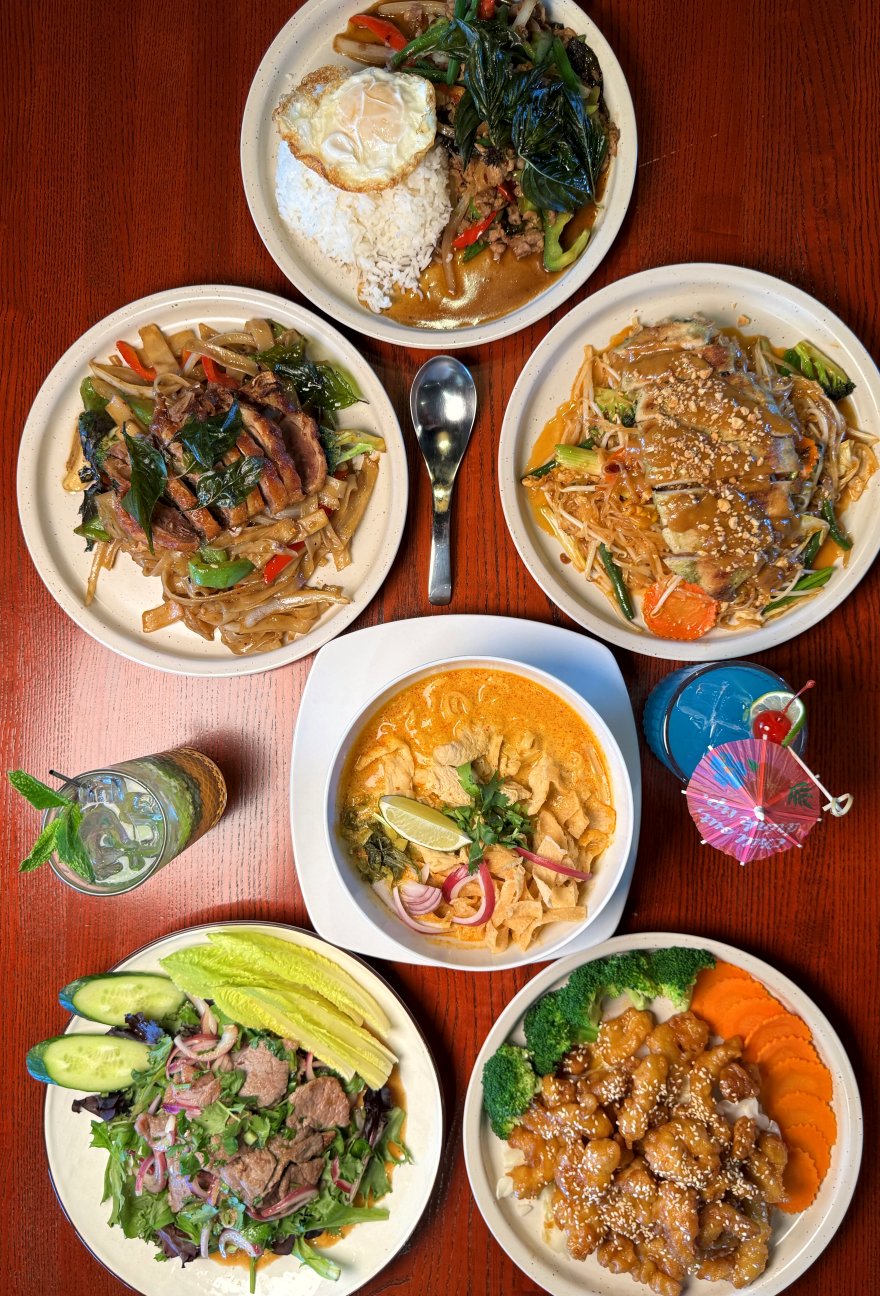
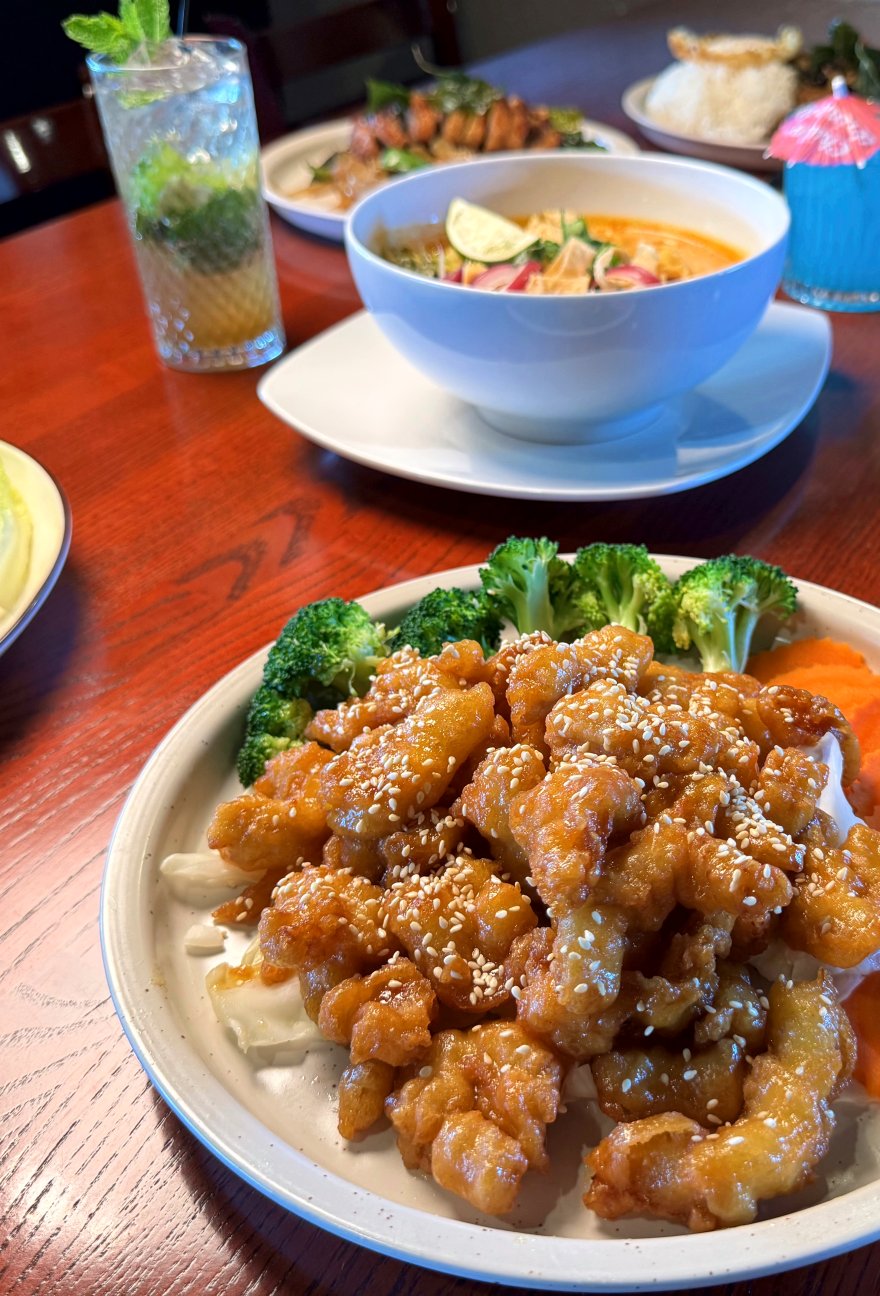
Few takeout searches are as hopeful, or as risky, as typing “Drunken Noodles Near Me” into your phone when you are hungry. At their best, drunken noodles deliver exactly what a satisfying Thai meal should: wide rice noodles with real chew, smoky heat from a hot wok, basil that stays fragrant instead of muddy, and a sauce that coats every strand without pooling at the bottom of the box. At their worst, they arrive greasy, overly sweet, and strangely flat, with vegetables steamed into surrender and noodles broken into short, gummy strips.
That gap matters more than people think. Drunken noodle is a dish that exposes a kitchen fast. It looks casual, but it depends on timing, heat, and restraint. Too much sauce and it turns heavy. Too little and it tastes underseasoned. The protein has to stay tender, the vegetables need texture, and the noodles should carry some char without becoming brittle. When a Thai restaurant gets this right, it usually says something good about the rest of the menu.
If you are trying to find the best local version, a little knowledge goes a long way. You do not need to be an expert in regional Thai cooking to order well. You just need to know what the dish is supposed to do, what signs point to quality, and how restaurants often adjust it for local tastes.
What drunken noodle actually is
Drunken noodle, often called pad kee mao, is one of those dishes people assume they already understand. The name encourages myths. Some think it is cooked with alcohol. Some think it was designed as late-night food after drinking. In most restaurants, neither detail matters much at the table. What matters is the character of the dish: savory, spicy, aromatic, and unapologetically bold.
The usual foundation is fresh wide rice noodles stir-fried with garlic, chilies, a dark soy based seasoning, vegetables, Thai basil, and a choice of protein. Many kitchens use Chinese broccoli, onions, bell peppers, carrots, baby corn, or green beans, depending on supply and house style. The most common proteins are chicken, beef, shrimp, tofu, or pork, though seafood combinations also show up in larger markets.
The best versions taste layered rather than simply hot. You get salinity, a little sweetness, some bitterness from greens, https://andydmku370.lumenforgex.com/posts/drunken-noodles-near-me-your-guide-to-satisfying-thai-noodle-cravings a peppery lift from basil, and the almost toasty edge that only comes from a properly heated wok. That last part is easy to miss when it is absent, but once you have had a great plate, it becomes the first thing you look for.
Why this dish is harder to judge than pad thai
Pad thai is familiar, and familiarity creates a lot of forgiveness. People expect sweetness, peanuts, lime, and tamarind. Even a mediocre plate can still hit enough recognizable notes to feel acceptable. Drunken noodle has less room to hide. It is more direct. There is no garnish pile to rescue it. No extra peanut crunch. No heavy egg blanket to smooth over poor cooking.
The noodles themselves create the first challenge. Wide rice noodles can stick together in clumps, tear if handled roughly, or turn slick if over-oiled. Then comes the sauce. Some restaurants push sweetness because that appeals to broad takeout audiences. Others lean so hard on salt and soy that every bite tastes monochrome. Basil is another dividing line. Sweet basil is often used as a substitute when Thai basil is unavailable, but the flavor is rounder and less distinctive. You notice the difference most clearly when the plate is still hot and the herbs release their aroma.
There is also the issue of spice. In many American restaurants, “medium” can mean nearly no heat at all, while in others it can be aggressive enough to swamp everything else. Drunken noodle should have heat, but heat alone does not make it good. A strong kitchen knows how to let chili sharpen the dish instead of flattening it.
The fastest way to spot a promising Thai restaurant nearby
When you search for Drunken Noodles Near Me, online ratings can help, but they are blunt tools. A 4.6-star restaurant may still produce weak noodle dishes if its main business is sushi, bubble tea, or pan-Asian combo platters. You want clues that the kitchen takes stir-frying seriously.
A menu tells you more than people realize. If a restaurant offers several basil-forward stir-fries, multiple noodle formats, and a range of spice notations, that usually suggests a kitchen comfortable with Thai line cooking. If the menu is enormous and scattered, with equal emphasis on teriyaki, tempura, pho, lo mein, and curry puffs, the odds become less predictable. That does not mean the food will be bad, but it does mean drunken noodle may not be the kitchen’s sharpest play.
Photos help too, though they require interpretation. Look for noodles that appear glossy rather than wet, basil leaves that are still visibly green, and vegetables that hold their shape. A container flooded with dark sauce is a warning sign. So are pale noodles that look steamed rather than seared. In-person dining is even more revealing. If you can hear a busy wok station and smell garlic and basil hitting high heat, that is a good sign before the plate even lands.
One practical tip that has saved many disappointing lunches: check whether the restaurant mentions wide rice noodles specifically. If it does not, and photos show thin noodles standing in for the real thing, expectations should adjust.
What a strong plate should look and taste like
There is no single canonical presentation because local supply, house style, and customer preference all shape the final dish. Still, quality leaves patterns.
A good drunken noodle arrives hot enough to keep steaming for a minute or two. The noodles should be long, supple, and lightly slick, not gluey. You want some caramelized browning where the sauce met the wok, but not so much charring that the flavor turns bitter. The vegetables should look vivid and cut with intent. Onion petals, sliced chilies, and strips of pepper often work better than tiny diced pieces because they survive the stir-fry without disappearing.
The aroma should tell you a lot before the first bite. Basil ought to rise first, followed by garlic and a savory soy note. Then the spice comes through. If all you smell is sugar or burnt oil, the balance is already off.
Texture matters as much as flavor. Great drunken noodle has contrast. A lot of takeout versions fail because everything is the same softness: overcooked noodles, limp vegetables, and tough meat all covered in one dense glaze. A better plate gives you bounce from noodles, snap from greens, and tenderness from protein.
These are the clearest signs that your order came from a kitchen that knows the dish:
- The noodles are wide, intact, and slightly chewy rather than mushy.
- The basil remains fragrant and visible, not blackened into the sauce.
- Heat is present, but you can still taste garlic, soy, and vegetables.
- The sauce clings lightly instead of flooding the container.
- There is a faint smoky edge from the wok, not just generic saltiness.
That final point is the hardest for delivery orders because steam softens everything on the ride home. Even so, a well-cooked portion usually keeps some of its structure.
Regional variation is real, even in the same city
If you order drunken noodle from three different Thai restaurants in one neighborhood, you may get three very different meals. One might lean sweet and glossy, tailored to lunch traffic and family takeout. Another may emphasize chilies and fish sauce, with sharper salinity and less sugar. A third might bulk up the plate with broccoli, carrots, and extra onions to match local expectations of value.
None of these versions is automatically wrong. Local Thai restaurants adapt constantly, often for good reason. Ingredient availability changes. Diners have different spice tolerance. Delivery economics shape portioning. Fresh wide rice noodles do not keep forever, and not every market has reliable supply every day. Some kitchens use dried alternatives or alter the cut. You may prefer one style over another, but that preference should be informed rather than absolute.
I have found that suburban restaurants often make the dish milder and slightly sweeter, especially around business parks and family-heavy neighborhoods. Dense urban spots, particularly those with a strong Thai customer base, are more likely to let the basil, chili, and savory depth lead. College-area restaurants sometimes oversize portions and increase oil to hold up through takeout. Again, none of this is universal, but the pattern shows up often enough to be useful when you are deciding where to order.
The takeout problem, and how to beat it
Drunken noodle is delicious fresh from the wok. It is less forgiving after 20 minutes in a sealed container. Steam keeps cooking the noodles. Basil loses some high notes. Vegetables soften. Sauce concentrates at the bottom while the top layer dries slightly. If you have ever wondered why your order looked great online but felt tired by the time it reached your table, that is usually why.
Distance matters. So does packaging. Some restaurants vent containers better than others. Some separate condiments or chili trays to preserve freshness. If you are comparing two similarly rated spots, choose the one with the shorter delivery route. A ten-minute difference can be the line between springy noodles and a compressed block.
Pickup is usually best, and dining in is best of all. If you plan to eat at home, open the container as soon as you can to release steam. Use tongs or chopsticks to lift and loosen the noodles before the sauce settles. If the dish needs reheating, a skillet works better than a microwave because it restores some texture. A quick minute over medium-high heat can revive the basil and tighten the sauce.
How to order for the result you actually want
People often customize drunken noodle in ways that work against the dish. Asking for extra sauce, extra sweetener, or no spice can turn it into something entirely different. The better approach is to make targeted requests that preserve structure.
If you are new to a restaurant, order close to house style on the first try. That gives you a fair read on the kitchen. Once you know the baseline, you can fine-tune. Mild adjustments usually work better than dramatic ones. Asking for “medium plus” or “Thai hot on the side” often gets a better result than going straight to the maximum spice box and hoping for the best.
A few ordering tweaks tend to help more than they hurt:
- Ask for spice on the side if you are uncertain about the kitchen’s heat scale.
- Request extra basil if the restaurant is generous with herbs and you know you like the aroma.
- Choose pickup over third-party delivery when possible.
- If ordering tofu, ask whether it is fried first, because texture makes a big difference.
- For lunch leftovers, request sauce slightly light rather than extra.
Protein choice matters too. Chicken is the safest baseline because it absorbs flavor well and tends to stay tender. Beef can be excellent if sliced thin and cooked fast, but in some takeout places it turns chewy. Shrimp brings sweetness and cooks quickly, though it can overcook on the ride home. Tofu works beautifully when it has crisp edges, but can become soft if simply dropped into the wok. Pork often delivers strong flavor, especially in kitchens that use ground or sliced pork with plenty of garlic.
Spice levels are not just about bravado
There is a habit among regular Thai food eaters to treat spice tolerance like a personal benchmark. That can lead to bad orders. A dish this aromatic needs room for flavor. Very high spice can be wonderful in the right kitchen, but only when the underlying balance holds.
At lower heat, you notice basil and soy more clearly. At medium heat, the dish often feels most complete because the chilies energize the noodles without overwhelming the vegetables. At the hottest settings, some restaurants compensate with extra sugar or oil, which can make the plate feel heavier. Others simply shovel in crushed chili, resulting in sharp, one-note fire.
If you want the restaurant’s honest expression, medium or medium-hot is usually the smartest place to start. From there you can adjust. Plenty of serious Thai diners settle in that range not because they cannot handle more, but because they want the dish to stay articulate.
What to pair with drunken noodle, and what to skip
This is a rich, sauce-driven noodle dish, so pairings should either refresh the palate or add contrast. A crisp papaya salad can work well if you like acidity and heat together. Fresh spring rolls offer coolness and herbs, though they can feel a little soft next to the noodles if the wrappers are not particularly good. Grilled items, especially chicken satay or a simply prepared skewer, can complement the meal without doubling down on sauce.
What often works less well are heavy, sweet starters. Fried cream cheese wontons, overly sugary Thai tea, and syrupy appetizers can dull the edges that make drunken noodle interesting in the first place. If you want a drink, iced water, sparkling water, or unsweetened tea usually does more for the food.
When sharing with a group, drunken noodle pairs best with dishes that contrast in texture and flavor rather than mimic it. A dry grilled meat plate, a bright salad, or a broth-based soup adds range to the meal. Another noodle dish in a similar sweet-savory register can make everything blur together.
Price, portion size, and the value question
In most American markets, drunken noodle sits in the familiar mid-range for Thai entrees. Prices vary with rent, city, and protein, but the dish usually lands somewhere between affordable lunch staple and slightly premium takeout comfort food. Seafood versions often cost several dollars more. In high-cost neighborhoods, the same plate may run noticeably higher without necessarily improving.
Value is not just portion size. Huge containers can disappoint if half the volume comes from cheap vegetables and excess sauce. A smaller plate with fresh noodles, proper basil, and careful wok work often gives more satisfaction than a giant, bland one. If you are feeding two people, one order plus an appetizer may be enough from a generous shop, but at a more refined restaurant you may want separate mains.
Lunch specials can be a smart testing ground. They often reveal how a kitchen performs under speed and volume. If a restaurant can send out a balanced drunken noodle during peak lunch hour, that is encouraging. If the lunch version arrives oily and underseasoned, dinner is unlikely to be dramatically better.
When the dish misses, what probably went wrong
Understanding failure points helps you diagnose whether a bad order was a one-off or a reason to move on. Noodles that are gummy usually point to storage or handling problems, sometimes worsened by delivery delay. Excess sweetness may reflect a kitchen trying to broaden appeal. Bitter char can come from a rushed cook on overly high heat without enough movement in the wok. Blandness usually means the opposite, inadequate heat, timid seasoning, or too many vegetables watering down the sauce.
Sometimes the issue is not skill but mismatch. A restaurant may prepare a version aimed at customers who want minimal spice and lots of sauce, while you prefer something drier, hotter, and more aromatic. In that case, a small adjustment on your second visit might solve it. If the fundamentals are wrong, no special request will fix them.
The best reason to give a place another try is when one or two elements were strong. Maybe the noodles had good texture but the spice was low. Maybe the basil was excellent but the protein was overcooked. Those are tuneable problems. If everything tasted stale, sugary, and indistinct, it is usually smarter to keep searching.
Finding your neighborhood favorite
The best local drunken noodle often does not come from the flashiest dining room or the restaurant with the broadest menu. More often, it comes from a place that understands wok timing, buys herbs frequently, and respects the dish enough not to bury it under sauce. That kind of restaurant may be a polished downtown Thai spot, a family-run strip mall kitchen, or a busy lunch counter near an office corridor. Good technique travels well.
If you are serious about finding the right answer to “Drunken Noodles Near Me,” treat the search like a small field study. Try two or three places within a reasonable distance. Keep the order consistent at first, same protein, same spice level, pickup if possible. Pay attention to noodle texture, basil aroma, sauce balance, and how the dish holds up after ten minutes. Patterns emerge quickly. Usually by the third order, one restaurant separates itself.
And once you find that place, it tends to become part of your regular rotation for a reason. A great Drunken Noodle scratches an itch that few other takeout dishes can reach. It is warming without being dull, spicy without being crude, comforting without collapsing into heaviness. Done properly, it tastes vivid, immediate, and just a little addictive, the sort of meal that makes a local search feel like a real discovery rather than just another order.
Nakhon Luang Thai Kitchen
Address: 805 Village Center Dr, Colorado Springs, CO 80919
Phone number: +17195315175
FAQ About Drunken Noodles Near Me
What makes it drunken noodles?
Drunken noodles, or Pad Kee Mao, get their name from the Thai word khi mao (meaning "drunkard"). They contain no alcohol. The name comes from the idea that the dish is a popular late-night meal to cure a hangover or a great food to eat with a cold beer.
What is the difference between pad see ew and drunken noodles?
While both Pad See Ew and Drunken Noodles use the same wide rice noodles, Pad See Ew is a mild, sweet-savory dish made with dark soy sauce and Chinese broccoli, whereas Drunken Noodles (Pad Kee Mao) are fiery, garlicky, and herbaceous with fresh chilies and Thai basil.
What are traditional drunken noodles?
Traditional drunken noodles, known as Pad Kee Mao in Thai, are a fiery, savory street food stir-fry made with wide flat rice noodles, fresh garlic, lots of hot chilies, meat or tofu, and fragrant holy basil. Despite the name, they contain no alcohol; the dish is traditionally eaten late at night or as a hangover cure because the intense spice helps clear the head.