Best Drunken Noodle Near Me for a Spicy and Savory Meal
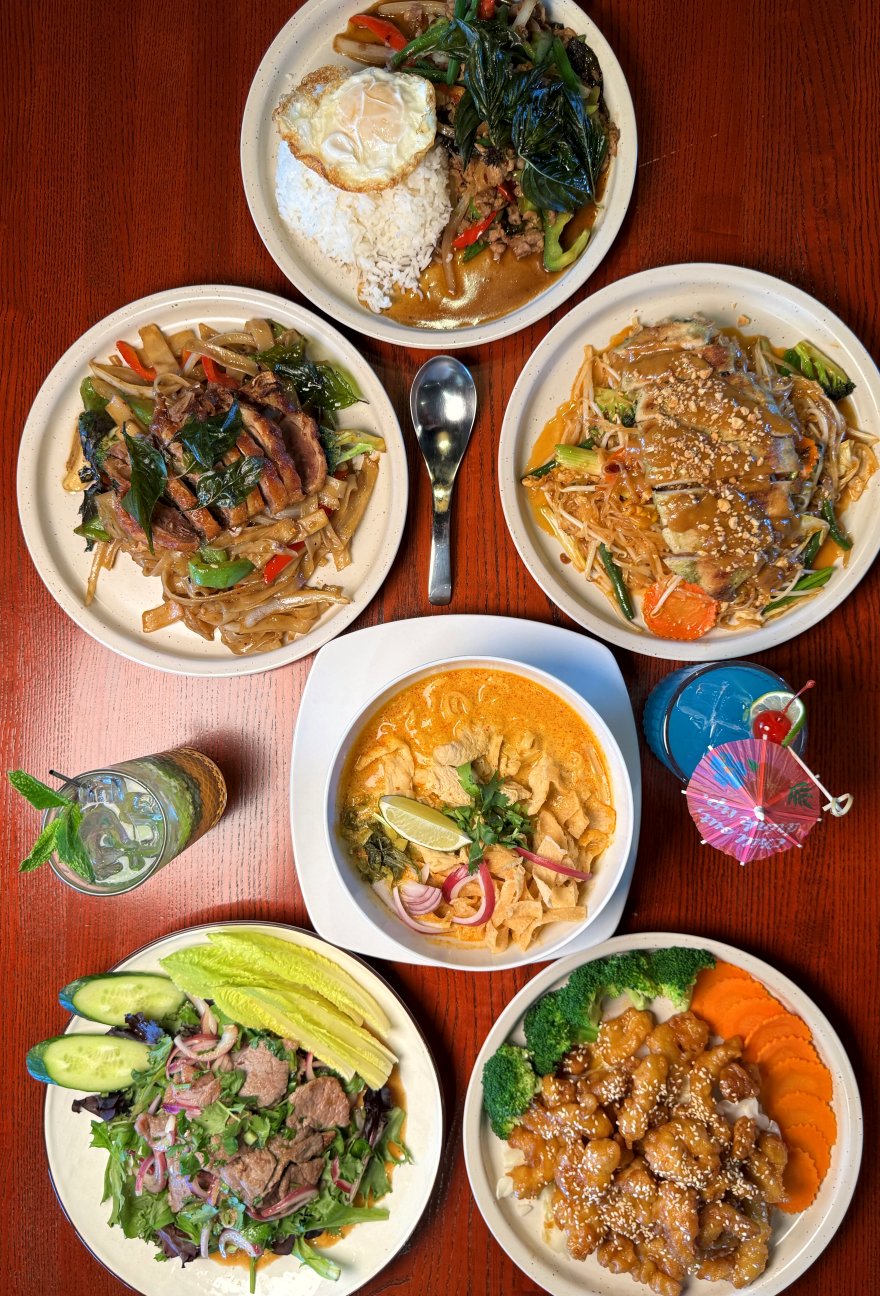
There are meals you order because they are familiar, and then there are meals you crave because nothing else will do. Drunken Noodle sits firmly in the second category. When the mood calls for chewy wide rice noodles, glossy sauce, sharp basil, fresh chile heat, and that unmistakable wok-fired aroma, substitutions feel like a compromise. A good plate hits with sweetness first, then salt, then spice, then the faint bitterness of basil and charred vegetables. It is loud, rich, and deeply satisfying.
That is why the search for the best Drunken Noodles Near Me often turns into more than a quick takeout decision. People are not just looking for Thai food. They are looking for a specific balance that can be hard to find and even harder to repeat from one restaurant to the next. One shop leans sugary. Another sends out a bowl More helpful hints of broken noodles swimming in sauce. A third gets the heat right but forgets the basil, which is like baking bread and skipping the flour. When it is done well, though, Drunken Noodle is one of the most compelling dishes on a Thai menu.
Why Drunken Noodle earns a permanent place in the takeout rotation
The dish commonly known in the United States as Drunken Noodle is often tied to pad kee mao, a stir-fried noodle dish with a reputation for bold flavor and serious heat. The name sparks curiosity, but the reason it keeps people coming back is simpler. It satisfies on multiple levels at once. You get the comfort of Drunken Noodles Near Me noodles, the punch of chile, the savoriness of soy-based seasoning, and enough texture from vegetables and protein to keep every bite interesting.
At its best, a Drunken Noodle order has a little edge to it. The noodles should not be soft in the lifeless sense. They should bend and pull apart with some resistance. The vegetables, usually bell pepper, onion, and often broccoli or green beans depending on the kitchen, should still have structure. Protein should taste like it was cooked with the dish, not dropped in as an afterthought. And the basil should be present enough that you smell it before the container is fully open.
One reason people become particular about this dish is that it reveals a kitchen’s habits very quickly. Stir-fried noodles need timing. If the wok is not hot enough, the sauce steams instead of clinging. If the noodles sit too long, they clump. If the cook is heavy-handed with oil, the whole plate goes greasy. The margin between good and forgettable is narrow.
What makes one restaurant’s version better than another
When people type Drunken Noodles Near Me into a search bar, location is only the first filter. Quality comes down to technique. In restaurant kitchens that turn out a strong version consistently, you can usually spot a few patterns.
The first is wok heat. Real stir-fry flavor depends on speed and high heat. Even if you do not use the term “wok hei” in daily conversation, you know it when you taste it. There is a faint smokiness, almost a toasted quality, that keeps the sauce from tasting flat. Without it, the dish can still be acceptable, but it rarely becomes memorable.
The second is sauce restraint. Drunken Noodle should be glossy, not soupy. Wide rice noodles absorb seasoning quickly, so too much liquid pushes the dish into a sticky, heavy zone. The strongest plates taste seasoned through, yet the bottom of the container is not flooded.
The third is basil. Thai basil brings a slight anise note and a peppery lift that cuts through sweetness and oil. It is not garnish in this dish. It is one of the structural ingredients. If a restaurant uses only standard sweet basil, the result can still be decent, but it loses some of the aromatic snap that defines the style.
The fourth is noodle integrity. Wide rice noodles are fragile. Fresh ones can tear if tossed carelessly. Dried ones, if rehydrated badly, can become brittle or gummy. Good kitchens know how to handle both. You end up with ribbons that stay distinct instead of collapsing into a paste-like mass.
The fifth is confidence with spice. Mild Drunken Noodle has its place, especially for people who want the flavor without the burn, but the dish benefits from some aggression. Too often, restaurants flatten spice levels out of caution. A better kitchen gives you a scale that actually means something, where medium has personality and hot tastes deliberate rather than punitive.
The clues that help you find the right place
Online searches help, but the best results often come from reading between the lines. Restaurant reviews for noodle dishes tend to be revealing because customers describe texture and seasoning in plain language. If several people mention mushy noodles, oversweet sauce, or missing basil, take that seriously. Those problems are rarely one-off mistakes.
The more useful praise is specific. A review that says the noodles had char, the spice was balanced, and the vegetables stayed crisp tells you far more than five stars with no explanation. Menu photos can help too, though they should be taken with caution. You want to see broad, separate noodles with visible basil and vegetables, not a dark brown clump shining under fluorescent light.
A practical way to narrow down your options is to pay attention to restaurants where Drunken Noodle is treated as a core dish, not a menu obligation. In many Thai kitchens, the strongest signs are consistency and confidence. The place may not have the largest menu. It may actually have a tighter one. But if the noodle section is clearly a point of pride, your odds improve.
Here are a few signs that a restaurant is likely to deliver a satisfying plate:
- Reviews mention basil, wok char, or balanced spice rather than generic praise.
- The menu offers real customization for protein and heat without sounding mechanical.
- Customer photos show wide noodles that are distinct, glossy, and not drowning in sauce.
- The restaurant performs well on other stir-fried dishes, especially basil-based entrees.
- Repeat customers mention ordering it more than once, which usually signals consistency.
Heat level matters more than most people think
Plenty of dishes can survive mediocre spice calibration. Drunken Noodle is not one of them. The reason is balance. The sauce often combines savory depth with some sweetness, and basil adds aromatic brightness. If heat is too low, the dish can feel heavy and one-dimensional. If heat is too high without enough supporting flavor, all you taste is pain and soy.
Most restaurants scale spice for the average customer, which means “medium” can vary wildly. At one spot, medium is barely a tickle. At another, medium can leave your scalp sweating. If you are ordering from a new place, it is smart to start one notch below your usual level, especially if reviewers describe the kitchen as generous with chiles. This is not timidity. It is calibration. Once you know how the restaurant handles spice, you can adjust on your next order.
There is also a difference between fresh chile heat and blunt dried chile heat. The better versions usually taste alive. You feel warmth spreading through the dish rather than a harsh layer sitting on top of it. Even if you like your food very spicy, you still want to taste basil, garlic, and the slight caramelization of sauce on the noodles.
Protein choices change the entire dish
Chicken is probably the most common add-in, and for good reason. It soaks up sauce well and stays relatively neutral, letting the noodles remain the star. Pork works nicely too, especially if thinly sliced and quickly seared. Beef can be excellent but requires skill, since it turns tough fast in high heat if overcooked. Shrimp brings sweetness and springy texture, though it can be mismatched with a restaurant that tends to overcook seafood.
Tofu is often underrated in Drunken Noodle. In a careful kitchen, tofu gives the dish contrast. The crisp edges catch sauce while the center stays soft. It also lets basil and chile stand out more clearly because there is less fat from the protein competing for attention. The drawback is that bad tofu feels like filler. If the restaurant does not press or sear it well, you get pale cubes that contribute little beyond bulk.
Duck appears on some menus and can be a standout choice. Rich meat against spicy noodles is a strong combination, but it can tip the dish toward heaviness if the sauce is already sweet. Seafood mixes can go either way. They sound luxurious, yet they often turn the dish into a compromise of uneven cooking times.
This is where repeat ordering teaches you a lot. A place that excels with chicken may stumble with shrimp. Another may have a vegetarian version that tastes more vivid than the meat options because the cook uses less oil and lets the vegetables speak. Good restaurants have signatures, and the smart diner learns them.
Dining in versus takeout, and why it changes the experience
If you are serious about finding the best Drunken Noodles Near Me, it helps to know that this is one of those dishes that is usually strongest within minutes of leaving the wok. Dining in gives you the full effect. The noodles are loose, the vegetables keep their bite, and the basil remains fragrant. The sauce tastes integrated rather than settled.
Takeout is still worthwhile, but there are trade-offs. Wide rice noodles continue to soften in a closed container, especially during a 20 to 30 minute ride home. Steam can mute texture fast. Some restaurants handle this better than others by slightly undercooking the noodles or using packaging that vents a bit. Others send out a beautifully cooked dish that turns soft before it reaches your table.
Delivery introduces another layer of variability. If the driver has multiple stops, the difference shows. The best strategy is to order from places that are reasonably close, avoid peak times if you can, and eat it promptly. Drunken Noodle does not reward delay.
If you know you will not eat right away, ask for a touch less sauce if the restaurant accepts notes. Not every kitchen will honor that, and some should not, but it can help preserve texture. Reheating is possible in a skillet over medium heat with a teaspoon or two of water, though fresh is still better.
Regional and restaurant-style differences are normal
One source of confusion for diners is that Drunken Noodle does not look or taste exactly the same everywhere. That is not necessarily a red flag. Thai restaurants adapt to local ingredients, kitchen workflow, and regional customer expectations. Some versions lean darker from soy. Others are lighter and more aromatic. Some bring serious basil intensity. Others emphasize garlic and chile.
You may also notice that certain restaurants include baby corn, broccoli, tomatoes, or mushrooms, while others keep the vegetable profile narrow. Purists may object to some additions, but the real question is whether the dish still feels coherent. If the ingredients serve the sauce and the noodles, flexibility is not a problem. If the plate starts resembling a generic stir-fry with random extras, that is where it loses its identity.
This matters when reading reviews. A customer may criticize a version for not matching the one they had elsewhere, but that does not automatically mean the restaurant missed the mark. Consistency within its own style is more important than perfect conformity to somebody’s memory.
The difference between a craving and a smart order
Many people search Drunken Noodles Near Me when they are already hungry, which is how bad decisions happen. A craving pushes you to click the first place with decent ratings. A smart order takes another three minutes and often pays off.
Use this quick screen before you place the order:
- Check recent photos, not just polished menu images.
- Read two or three lower-rated reviews to spot recurring flaws.
- Compare spice descriptions, if the menu offers them.
- Order from the closest strong option when possible.
- If it is your first time, choose a standard protein before experimenting.
Those small checks matter because noodle dishes are less forgiving than curries or soups. A restaurant can have strong overall ratings and still make mediocre Drunken Noodle. Sometimes the kitchen is excellent with curries but weak on wok-fired items. Sometimes lunch service is tighter than dinner rush. Details decide the result.
How to tell if your order is excellent within the first three bites
The first bite tells you about sauce. The second tells you about heat. The third usually reveals whether the dish has structure or is headed toward monotony. An excellent plate should taste layered almost immediately. You notice sweetness, then salinity, then basil, then chile, and finally the faint toasted note from the wok. No single element should bulldoze the others.
Texture is the next checkpoint. Wide noodles should separate without effort but still hold together. Vegetables should feel intentional, not decorative. Onion should still have some snap. Bell pepper should not collapse into limp strips. Protein should be integrated with the sauce, not sitting blandly beside it.
A surprising sign of quality is whether the dish remains interesting halfway through. Weak versions taste good for six bites and then become tiring because the sauce is too sweet or oily. Strong versions stay dynamic. You keep finding little shifts in basil, garlic, heat, and char that carry you through the plate.
What to pair with Drunken Noodle, and what to skip
Because Drunken Noodle is already rich and assertive, pairing matters. A crisp Thai iced tea can be pleasant, but it adds sweetness to a dish that may not need more. Sparkling water with lime, plain iced tea, or a light lager often works better because they reset the palate instead of coating it further.
As for sides, restraint helps. Fresh rolls or a green papaya salad make more sense than another fried appetizer. If you start with heavy items like fried dumplings, chicken wings, or cream cheese wontons, the main dish can land harder than you want. There is nothing wrong with indulgence, but understand the trade-off. Drunken Noodle is already the loudest voice at the table. It does not need much accompaniment.
Dessert depends on your tolerance for contrast. Something cool and simple, like coconut ice cream or mango with sticky rice when in season, can be lovely after a spicy meal. But again, the meal is strongest when not overloaded from start to finish.
Why the best local spot often beats the trendiest one
Flashy restaurant openings get attention. So do viral videos showing cheese pulls, giant portions, or novelty spice challenges. None of that tells you much about whether the kitchen can consistently cook wide rice noodles under pressure. The best Drunken Noodle in town is often coming from a quieter place with a seasoned line cook, a hot wok, and no interest in theatrics.
That kind of restaurant may have mismatched chairs, a short beverage list, and a website that looks like it has not changed in five years. None of that matters if the noodles arrive fragrant, glossy, and alive with basil. In fact, some of the most reliable Thai spots I have seen are almost stubbornly unglamorous. They know which dishes customers return for, and they put the work there.
When you find one of those places, you remember it. You remember the heat that built gradually instead of hitting like a dare. You remember noodles that kept their chew all the way to the bottom of the box. You remember opening the container in the car at a red light just to catch the basil and garlic before driving home. That is the standard people are really searching for when they type Drunken Noodles Near Me into their phones.
The good news is that the right version is usually not impossible to find. It just requires better criteria than distance alone. Look for specific praise, trust photos more than slogans, respect the importance of wok heat, and do not underestimate basil. When a restaurant gets those fundamentals right, Drunken Noodle becomes exactly what it should be, a spicy, savory meal that feels generous, vivid, and worth craving again.
Nakhon Luang Thai Kitchen
Address: 805 Village Center Dr, Colorado Springs, CO 80919
Phone number: +17195315175
FAQ About Drunken Noodles Near Me
What makes it drunken noodles?
Drunken noodles, or Pad Kee Mao, get their name from the Thai word khi mao (meaning "drunkard"). They contain no alcohol. The name comes from the idea that the dish is a popular late-night meal to cure a hangover or a great food to eat with a cold beer.
What is the difference between pad see ew and drunken noodles?
While both Pad See Ew and Drunken Noodles use the same wide rice noodles, Pad See Ew is a mild, sweet-savory dish made with dark soy sauce and Chinese broccoli, whereas Drunken Noodles (Pad Kee Mao) are fiery, garlicky, and herbaceous with fresh chilies and Thai basil.
What are traditional drunken noodles?
Traditional drunken noodles, known as Pad Kee Mao in Thai, are a fiery, savory street food stir-fry made with wide flat rice noodles, fresh garlic, lots of hot chilies, meat or tofu, and fragrant holy basil. Despite the name, they contain no alcohol; the dish is traditionally eaten late at night or as a hangover cure because the intense spice helps clear the head.